

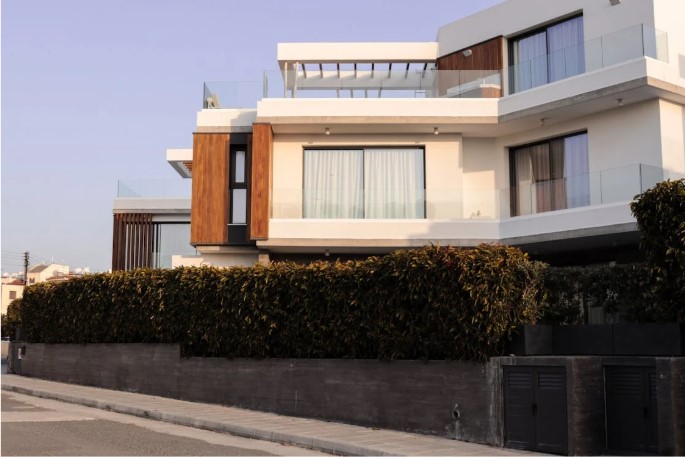
When it comes to making your home more comfortable and saving money on energy bills, one of the most effective upgrades you can make is installing replacement windows. Old or damaged windows can allow heat to escape in the winter and let hot air in during the summer. This forces your heating and cooling systems to work harder, increasing your energy costs. Replacement windows are designed to solve these problems and improve your home’s overall energy efficiency.
What Are Replacement Windows?
Replacement windows are new windows installed in place of your existing ones without the need to remove the surrounding frame. They are made using modern materials such as vinyl, wood, or fiberglass and often come with energy-efficient features like double or triple panes and low-emissivity (Low-E) coatings. These windows are designed to provide better insulation than older models, reducing heat loss and preventing drafts.
How Replacement Windows Reduce Energy Loss
One of the main ways replacement windows improve energy efficiency is by reducing energy loss. Older windows often have gaps, cracks, or worn-out seals that allow air to escape. Replacement windows are tightly sealed, preventing warm air from leaving your home in the winter and keeping cool air inside during the summer. This reduces the demand on your heating and cooling systems, helping you save on energy bills.
The Role of Advanced Glass Technology
Modern replacement windows often use advanced glass technology to enhance energy efficiency. Low-E coatings reflect heat back into your home during the winter while blocking the sun’s heat in the summer. Double or triple-pane glass with gas fills, such as argon or krypton, provides an extra layer of insulation. This technology helps maintain a consistent indoor temperature, making your home more comfortable year-round.
Improved Comfort and Reduced Drafts
Drafts from old or poorly fitted windows can make rooms uncomfortable and create uneven temperatures in your home. Replacement windows provide a tighter seal and better insulation, reducing drafts and cold spots. This not only makes your home more comfortable but also reduces the strain on your HVAC system. A well-insulated home feels warmer in the winter and cooler in the summer, improving your overall living environment.
Environmental Benefits of Energy-Efficient Windows
Using replacement windows also has a positive impact on the environment. When your home requires less energy for heating and cooling, it reduces your carbon footprint. Energy-efficient windows help conserve natural resources and lower greenhouse gas emissions. Choosing replacement windows with eco-friendly materials and coatings can further enhance these benefits, making your home both energy-efficient and environmentally responsible.
Long-Term Savings and Value for Your Home
Although replacement windows require an initial investment, they offer long-term financial benefits. Reduced energy bills, lower maintenance costs, and improved comfort all contribute to savings over time. Additionally, energy-efficient replacement windows can increase the resale value of your home. Potential buyers often look for homes with upgraded features that reduce energy costs, making replacement windows a smart investment for the future.
Conclusion
Replacement windows are an effective way to enhance your home’s energy efficiency while improving comfort and reducing energy costs. By installing modern windows with advanced insulation and glass technology, you can prevent drafts, maintain a consistent indoor temperature, and enjoy long-term savings. In addition to the financial and comfort benefits, energy-efficient replacement windows also contribute to a healthier environment. Investing in replacement windows is a practical step toward a more efficient, comfortable, and valuable home.
