

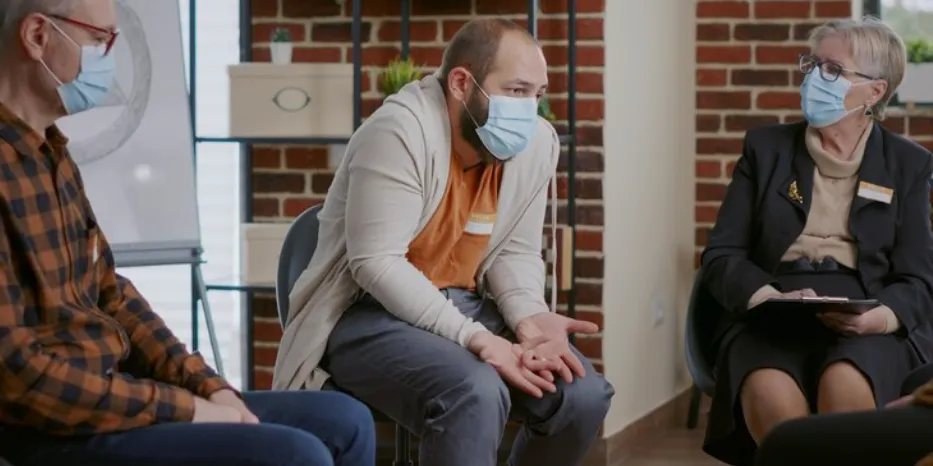
Addiction can feel overwhelming, but recovery is always possible with the right support and guidance. Many people struggle to break free from substance use on their own, which is why professional help becomes essential. An inpatient drug rehab center provides a structured and safe environment where individuals can focus fully on healing. These centers are designed to help people rebuild their lives step by step, offering medical care, emotional support, and practical tools for long-term recovery.
Understanding the Role of an Inpatient Drug Rehab Center
An inpatient drug rehab center is a place where individuals stay full-time while receiving treatment for substance use disorders. This setting removes them from daily triggers and negative influences that may lead to continued drug use. By living in a supportive and controlled environment, patients can focus entirely on their recovery journey.
These centers offer a combination of medical supervision, counseling, and therapy. The goal is not only to stop drug use but also to address the underlying causes of addiction. This comprehensive approach helps individuals gain a deeper understanding of their condition and learn healthier ways to cope with life.
A Safe and Supportive Environment
One of the most important benefits of an inpatient drug rehab center is the safe environment it provides. Patients are surrounded by trained professionals who monitor their progress and ensure their well-being at all times. This is especially important during the early stages of recovery when withdrawal symptoms can be challenging.
In addition to medical care, patients receive emotional support from counselors and peers. Being among others who are facing similar struggles creates a sense of community and understanding. This supportive atmosphere helps individuals feel less alone and more motivated to continue their recovery.
Personalized Treatment Plans
Every person’s journey with addiction is different, which is why inpatient drug rehab centers create personalized treatment plans. These plans are tailored to meet the specific needs of each individual, taking into account their medical history, type of substance use, and personal challenges.
Treatment often includes individual therapy, group counseling, and educational sessions. These activities help patients develop coping strategies, improve their mental health, and build confidence. A personalized approach ensures that each person receives the care and attention they need to succeed.
Building Healthy Habits and Life Skills
Recovery is not just about stopping drug use; it is also about learning how to live a healthier life. An inpatient drug rehab center helps individuals develop positive habits and essential life skills. Patients learn how to manage stress, communicate effectively, and make better decisions.
Daily routines in rehab centers often include structured activities such as exercise, therapy sessions, and recreational time. These routines help create stability and discipline, which are important for long-term recovery. By practicing these habits in a supportive setting, individuals are better prepared to maintain them after leaving the center.
Preparing for Life After Rehab
A key part of recovery is preparing for life outside the rehab center. Inpatient drug rehab centers focus on relapse prevention and aftercare planning. Patients are taught how to identify triggers and handle difficult situations without turning to drugs.
Many centers also provide resources such as support groups and follow-up counseling. These services help individuals stay connected to a support system even after they complete their treatment. This ongoing support is crucial in maintaining sobriety and building a new, fulfilling life.
Conclusion
Starting a new life after addiction may seem challenging, but it is entirely achievable with the right help. An inpatient drug rehab center offers a structured, supportive, and comprehensive approach to recovery. By providing medical care, emotional support, and practical tools, these centers empower individuals to overcome addiction and rebuild their lives. With dedication and the right guidance, anyone can take the first step toward a healthier and more hopeful future.